

Radiation Safety Support for Category 1 or 2 Radioactive Material Removal
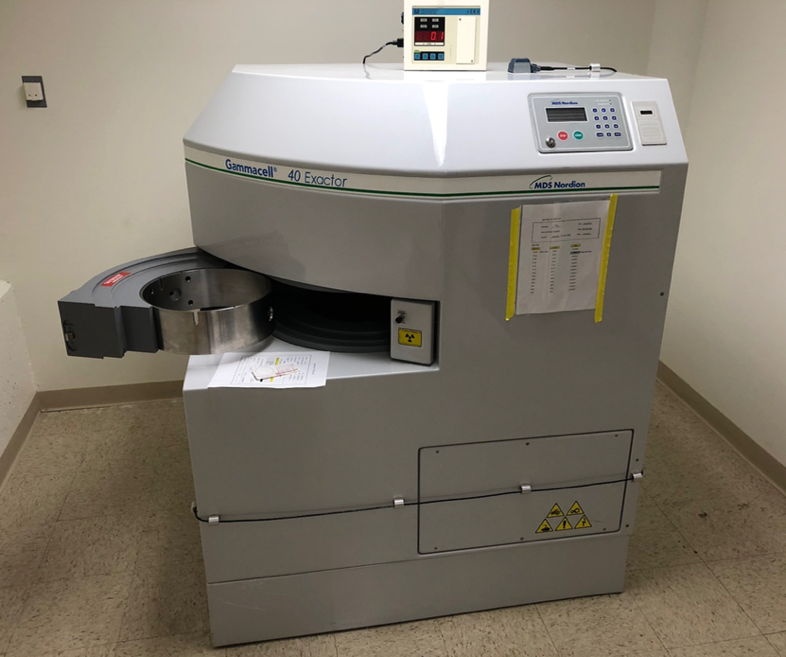 The U.S. Nuclear Regulatory Commission (NRC) imposes stringent regulations on the security and oversight of Category 1 and Category 2 radioactive materials (RAM) due to their potential to cause significant harm if lost, stolen, or misused. These materials are subject to the requirements of 10 CFR Part 37, which mandates physical protection measures, access controls, background checks, and personnel reliability programs. Facilities authorized to possess Category 1 or 2 quantities must develop and maintain comprehensive security plans, coordinate with local law enforcement authorities, and implement continuous monitoring and intrusion detection systems. Category 1 sources, because of their greater potential risk, require additional protective measures such as multiple security barriers and coordinated response capabilities.
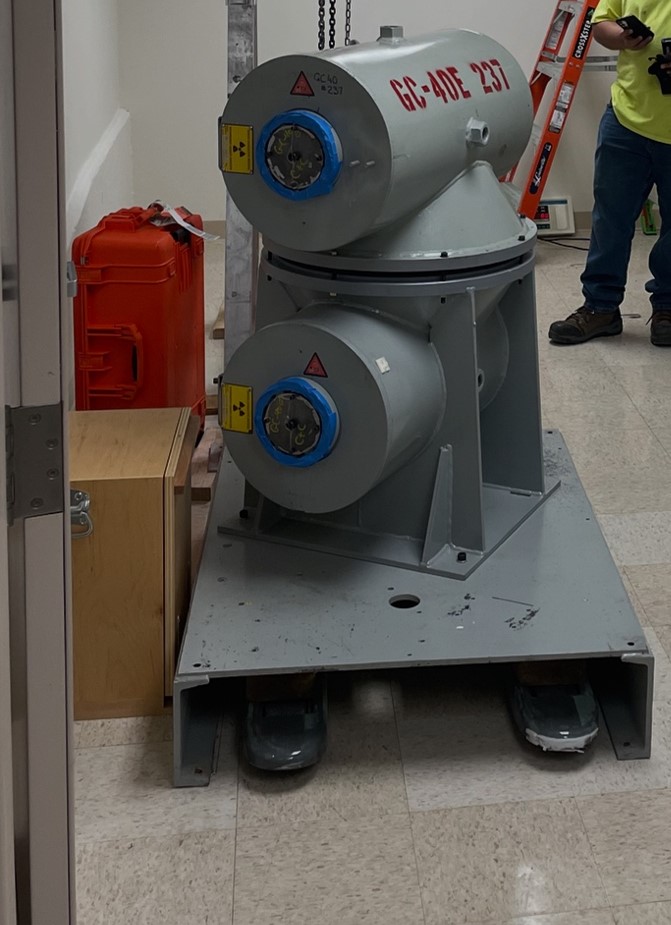 When Category 1 or 2 radioactive material is removed from a facility, the Radiation Safety Officer (RSO) and radiation safety personnel are responsible for ensuring regulatory compliance, secure handling, and proper documentation. This includes arranging transport with a licensed carrier, submitting required notifications to the NRC or Agreement State, and updating the Radioactive Materials (RAM) license to reflect the removal. The RSO must maintain complete records of the transfer or disposal, oversee any required surveys to verify the absence of residual contamination, and ensure all activities align with safety protocols, radiation protection procedures, and applicable NRC and DOT regulations.
Regulatory and Transport Considerations
 The removal of Category 1 or 2 radioactive material is governed by a combination of NRC and U.S. Department of Transportation (DOT) regulations. Under 10 CFR Part 37, licensees must ensure secure physical protection, access authorization, and coordination with local law enforcement during any transfer of high-activity sources. Additional requirements under 10 CFR Part 30, for example, govern possession, transfer, and disposal activities. Prior to removal, the licensee (typically through the Radiation Safety Officer (RSO)) must notify the NRC or applicable Agreement State and confirm that the recipient is licensed to possess the material.
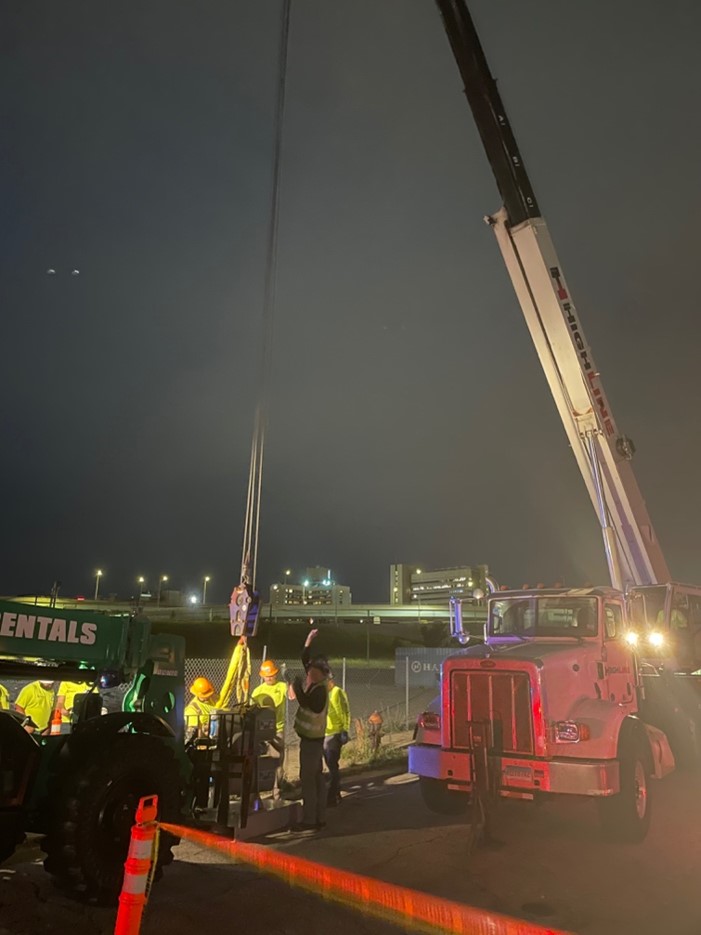
Transport of these sources must comply with DOT regulations (49 CFR Parts 171–180), including proper classification, labeling, shielding, packaging (e.g., Type B containers), and manifest documentation. The RSO is responsible for coordinating with a licensed carrier experienced in handling high-activity radioactive materials and ensuring that pre-shipment radiological surveys are completed to confirm compliance with surface dose rate and contamination limits. A detailed chain of custody must be maintained throughout the transfer, with secure handoff procedures, real-time tracking (for Category 1), and emergency contact protocols in place.
Radiation Safety Officer Responsibilities
The Radiation Safety Officer (RSO) plays a critical role in overseeing the safe and compliant removal of Category 1 or 2 radioactive materials. The RSO is responsible for verifying the identity, activity, and condition of the material to be removed, ensuring it aligns with the facility’s radioactive materials inventory. They must initiate and manage any necessary amendments to the facility’s Radioactive Materials (RAM) license, including notifying the NRC or Agreement State of the pending transfer and confirming that the receiving entity is properly licensed to accept the material.
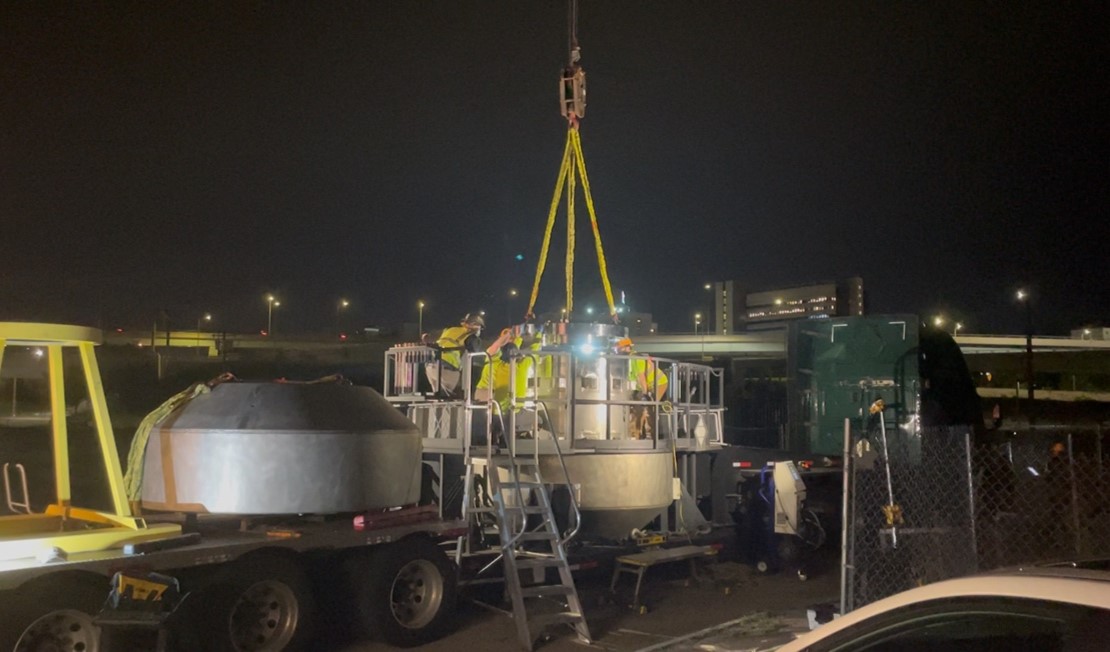 During the removal process, the RSO ensures that all required security measures remain in place, including access control, surveillance, and coordination with local law enforcement, particularly for Category 1 sources. The RSO must also prepare and maintain detailed documentation such as shipping manifests, transfer records, and radiation survey reports, and verify that the packaging and labeling comply with applicable DOT and NRC regulations. Additionally, the RSO coordinates pre-shipment radiological surveys to confirm that dose rates and contamination levels are within permissible limits. After the material is transferred, the RSO is responsible for updating inventory records, retaining all documentation per regulatory requirements, and ensuring that any follow-up surveys or decontamination efforts are conducted if necessary. These responsibilities are essential to maintaining regulatory compliance, operational safety, and public and environmental protection (learn about LANDAUER radiation compliance support here).
Final Surveys and Site Clearance
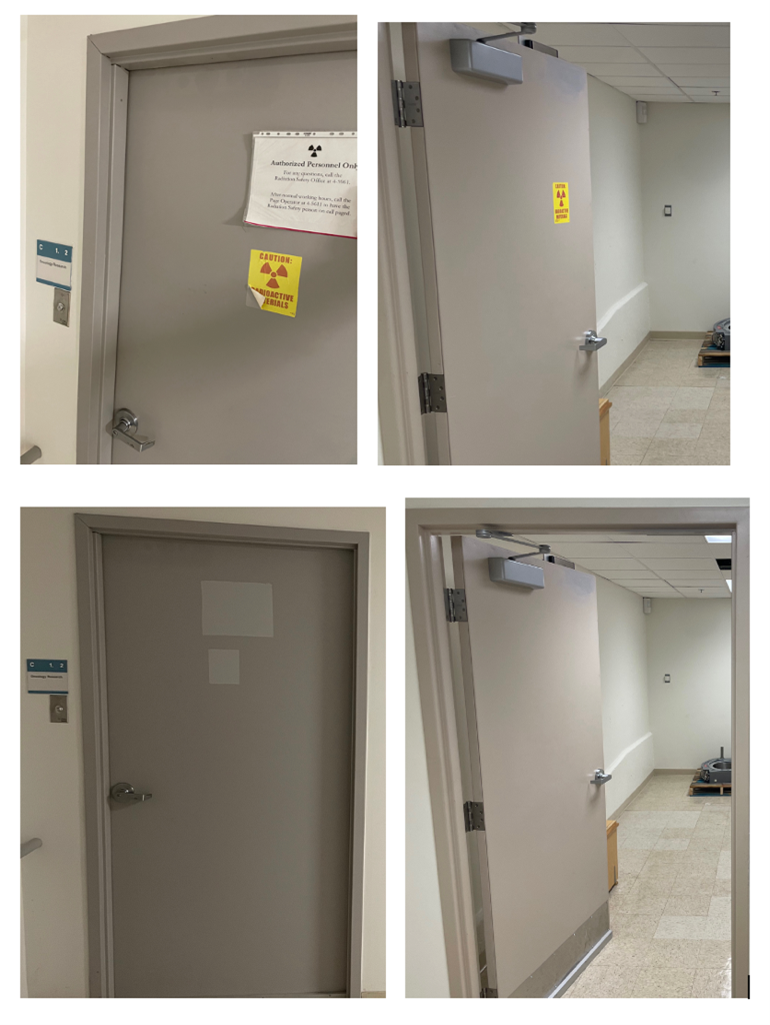 After the removal of Category 1 or 2 radioactive material, the Radiation Safety Officer (RSO) must ensure that the facility has been properly surveyed and cleared of any residual radiological hazards. This involves conducting post-removal radiation and contamination surveys in storage areas, transport pathways, and any locations where the source was handled or prepared for shipment. Survey results must be documented and compared against regulatory thresholds to confirm that radiation levels are within acceptable limits and that no contamination remains.
If the source removal is part of a broader decommissioning effort or reduction in license scope, the RSO must determine whether a license amendment or termination is required and submit the appropriate documentation to the NRC or Agreement State. This may include a closeout survey report, waste disposal records, and a summary of radiological conditions. The RSO must also update the facility’s radioactive materials inventory and retain all associated records in accordance with license conditions and applicable regulations. These final steps are essential to ensure that the site is safe for continued use, unrestricted release, or license closure, and that the facility remains in full compliance with regulatory requirements.
Conclusion
The removal of Category 1 or 2 radioactive materials requires meticulous planning, coordination, and execution to ensure safety and regulatory compliance. The Radiation Safety Officer plays a central role in managing the process—from inventory verification and license updates to secure transport coordination and final site surveys. Adhering to NRC and DOT regulations, maintaining accurate records, and engaging with qualified carriers and licensed recipients are essential to a successful transfer. To streamline future removals and ensure audit readiness, facilities should establish clear internal procedures, maintain updated security and emergency plans, and regularly review their radiation protection program. Proactive communication with regulators and thorough documentation at every step will support compliance and protect personnel, the public, and the environment.
Looking for more resources?
Contact LANDAUER to get help with radiation safety training and support with radiation safety services.