

5 Helpful Tips for Managing a Radiation Dosimetry Program of a Large Organization
Managing a radiation dosimetry program for a large healthcare organization can be a complex task that requires coordination across numerous departments, consistent communication, and strict adherence to regulatory standards. There is constant change with new hires joining or staff leaving, and the need for timely badge returns and dose monitoring can lead to compliance risks and data gaps.

To streamline this process and ensure the program runs efficiently, the following five tips offer practical solutions—from improving communication through designated department coordinators to maintaining spare badges and organizing important documentation. These strategies provide a practical framework to simplify badge management, ultimately strengthening the overall success radiation dosimetry program for a large hospital setting.
1. Assigning a Radiation Badging Coordinator for Each Subaccount
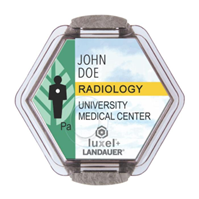 Designating a radiation badging coordinator for each subaccount establishes a clear, single point of contact responsible for all badge-related communication and logistics. This individual will facilitate the assignment of new badges, deactivations requests, and any changes to badge status. The coordinator plays a critical role by distributing new badges and collecting expired ones at the end of each wear period.
2. Comprehensive List with Coordinator Contact Information
 Considering occasional staff turnover, maintaining an up-to-date list of all radiation badging coordinators is essential for tracking program participation and ensuring accurate badge distribution (our myLDR™ system is a great solution to these needs). This list should include the primary badging coordinator name, email, phone number, facility or department, and physical location if using interoffice mail. Having reliable contact information for each area allows for efficient communication regarding badge assignments, returns, and any potential updates from the coordinator.
3. Quarterly Reminder Emails with Deadline Notifications
 To ensure timely badge returns, it is helpful to send out reminder emails at the start of each new dosimetry quarter. Because staff members can easily forget deadlines due to busy clinical workloads, a follow-up email shortly before the due date can significantly improve return rates. Consistent communication and reminders help prevent delays in badge returns, allowing LANDAUER to process badge readings and provide radiation badge reports.
4. Maintaining a Stock of Spare Badges
If you’re managing a radiation dosimetry program on-site, hospitals experience constant staffing changes, including new hires, rotating or temporary staff. To accommodate these changes without disrupting dosimetry compliance, it is useful to have a supply of spare radiation badges readily available. These spare badges can be temporarily assigned until a permanent badge is issued in the next monthly or quarterly cycle. A spare badge log should be maintained to document the subaccount, participant’s name, badge serial number, and date of issuance. Spare badges also provide critical support during emergencies or time-sensitive projects where radiation exposure may occur unexpectedly.
5. Radiation Badge Applications and Fetal Declaration Forms
 Proper documentation, such as radiation badge application forms, should be completed for each participant. These documents include their full name, date of birth, and a unique primary ID (e.g., Social Security number or employee ID) to ensure accurate recordkeeping and dose tracking. These forms should also specify the hospital facility and department where the individual will be working. In addition, fetal declaration forms should be processed promptly for any declared pregnant workers (check out this article on fetal monitoring), in accordance with regulatory requirements.
Looking for more guidance?
Contact LANDAUER to get help with radiation safety training and support with radiation safety services.